
 Discover the Natural Beauty


JANUARY CHECKLIST
January is definitely winter the PNW...but wait, there is always a little glimmer of optimism, a teasing day of sunshine, an plant that is blooming that really shouldn't be blooming. You are tempted to run outside and start gardening, but you know that February and March still loom ahead...
Here's a checklist:
Around the home
- Clean up but don't rake up - Cut back perennials that have gone dormant. Mark where they are in your garden bed and mulch over the area. Remove dead vegetables from the garden and place in your compost bin. Rake fallen leaves into garden beds to create a layer of protection for plant roots. Leave fir boughs where they are. Not only do leaves and branches insulate your garden, they also provide shelter for birds and insects.
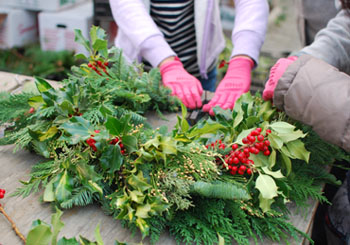
- As you clean up... - As you clean up after windstorms, think wreaths! Mossy branches, pinecones, and shrub cuttings can make unique additions to hand-crafted wreaths. We'll show you how.
- Cover the tender plants - Broadleaf evergreens that are tender to temperatures freezing temperatures (e.g. Hebes, Ceanothus, Winter-blooming Camellias) should be covered with floating row cover fabric. If you don't have fabric, old sheets, blankets, burlap, etc can add protection.
- Move potted plants - Put your potted plants under covered areas, such as porches, house eaves, or into the garage.
- We like snow - Snow is a good thing, as it provides insulation, but shake it off of your woody plants to prevent the breakage of limbs.
- Don't Fertilize - Yeah, this is an anti-activity. You don't want to encourage growth at this time. New growth can get damaged during cold spells.
Edible gardening
- If you have a sunny window, try growing an indoor herb garden - We have trays, soil, and seeds.
Lawn care
- Stop mowing - in fact, just leave your lawn the way it is. No mowing, less foot traffic.
Indoor plants
- Consider your house conditions - If your house is drafty, you may want to move some of your indoor plants to a less drafty spot. Ensure that your houseplants are getting enough humidity, as houses are typically very dry during the winter months. If your house is dark, then maybe move your plants to a sunnier spot. Or get a plant light.
- Stop fertilizing - Pull back or even stop fertilizing your houseplants as growth slows down due to less light and cooler temperatures. Start fertilizing again in March.
- Add some new houseplants - This is not a bad time to give your houseplants some friends. Also, the December classics, poinsettias, Christmas cactus, etc. are welcome bursts of color.