 Discover the Natural Beauty


Fall Hours: Mon-Sat: 9am-5:30pm, Sun: 10am-4:00pm
This Saturday's food truck is
Da Que Shack!
THIS WEEK
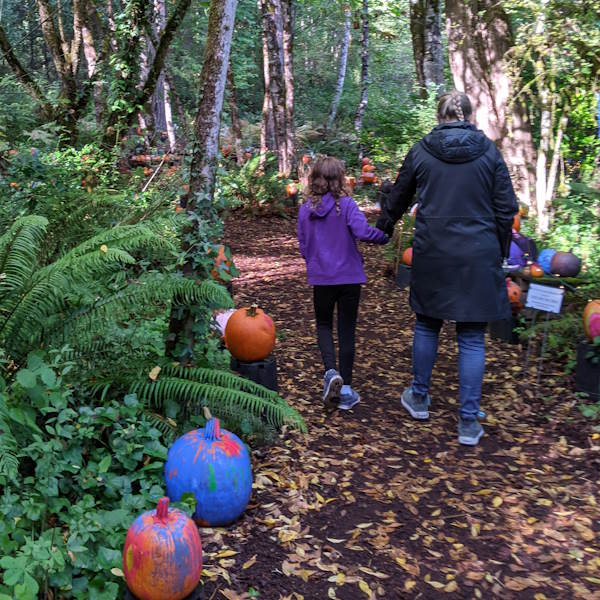
The Pumpkin Walk Is Open - Wow, thank you for the amazing pumpkin contributions! If you haven't been on the trail lately, check it out. The community has been adding some really creative and cool pumpkins! For more about the Pumpkin Walk check out the article below!
EAT AND GROW
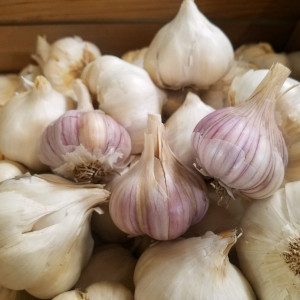
GREAT GARLIC
If you haven't had non-supermarket garlic, you are in for a treat. Varieties like Chesnok Red or Spanish Roja will blow you away with their gorgeous aromas and depth of flavor. (We mention Chesnok Red, because we recently had an in-house garlic tasting, and it came out on top, though each variety had its own interesting qualities.)
If you are unsure of what variety to grow, buy a few garlic bulbs and try them out! Seed garlic bulbs are edible (the ones we get are not treated).
Garlic is relatively easy to grow if you pick a good spot and prepare the soil correctly. Garlic is planted in the fall and harvested at the end of the following summer. As you would expect, you're going to want rich, well-draining soil, so your garlic doesn't rot during the winter. It grows well in a raised bed too.
While that's a long investment of time, the payoff is delicious garlic bulbs next summer...and a harvest of garlic scapes in the spring!
We have five varieties of garlic in stock. (Plus elephant garlic, which by the way, isn't a true garlic. It's a member of the leek family. It's delicious nonetheless.)
Now is the time to plant garlic. Come on in for our garlic handout.
HOW DOES A
PUMPKIN WALK?
Open now through the month of October.
The Pumpkin Walk is back for its 33rd year (wow)! If you're not familiar with it, The Pumpkin Walk is a family-friendly event that goes on throughout October.
Our trail through the woods has hundreds of decorated pumpkins and larger vignettes. In addition there are kid-friendly photo areas and fun stuff for the little ones.
Much of the success of the Pumpkin Walk is due to contributions by our customers! Last year, customers added well over 400 hundred pumpkins to our trail!
The Pumpkin Walk is free. We do accept donations to the Bainbridge Island Boys and Girls Club. This event benefits our local club.
Every Saturday, we will have a food truck!
For more details on the Pumpkin Walk and how you can add your own pumpkins to the trail, click here.

GET YOUR GARDEN READY FOR FALL
Fall is an underrated time of the year. Yes, Spring is about fresh, bright colors, and boundless optimism about the gardening year ahead, but fall is when you can celebrate what you've done in the garden and prepare for year ahead! Here are some tips for the final months of the year:
- Harvest Don't forget to harvest your vegetables and fruits when they are at their peak. Enjoy the work you've done to get fresh fruits and veggies! Oh, and if you have a few tomatoes that don't quite get ripe, well, fried green tomatoes are really quite delicious!
- Refresh Add some fresh color to your garden. Pansies, mums, and ornamental cabbage are in, and consider adding some textures to your containers, such as wintergreen or grasses. Come on in, and we'll give you some ideas.
- Water We know, we know. Although it's cooler, there's still not enough rain to excuse you from watering. Keep watering your plants. The good news is that cooler weather slows down plant growth.
- Plant Fall is great time to plant trees and shrubs. The cooler weather is less stressful on many plants, and getting them in the ground now gives their root systems a chance to establish themselves. Spring bulbs (daffodils, tulips, crocus, et al) are coming in and should be planted soon. Garlic is here and ready to go into the ground!
- Prepare Your lawn, that is. Mid-September through mid-October is a great time to fertilize, over-seed, and mulch. The ground is still warm (NW grass seed germinates when the ground is 55F or warmer) and the rains naturally keep the ground moist.
Apply lime to discourage moss Lilly Miller Super Sweet 25lb bag covers 2000 sqft Apply fertilizer EB Stone Lawn Food 20lb bag covers 2000 sqft Overseed or patch areas Supreme Blend (full sun) or Show and Shade Blend (shade or sun) 2lb bag covers 2000 sqft for overseeding Mulch EB Stone Top Coat 1.5 cuft bag covers 72 sqft with 1/4" layer